New Orleans. Immagini e parole (parte terza)
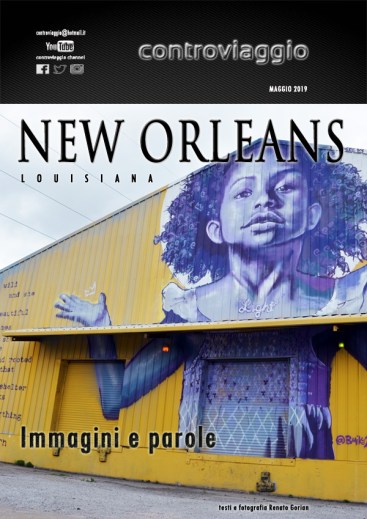
Ehi, adesso ti dico qual è il problema dell’America. Potrebbe essere il più grande paese della Terra. Davvero. C’è tutta questa gente diversa che viene per fuggire all’oppressione e alla povertà, in cerca di una vita migliore. E poi cosa fanno? Rimangono attaccati alle cose che li hanno messi nei guai. Continuano a combattere le stesse guerre e odiare le stesse persone del loro vecchio mondo. Vogliono essere italiani o greci, irlandesi o polacchi o russi, africani o vietnamiti o cambogiani o che altro… E a quello restano appiccicati. Stanno con quelli della propria razza e dubitano di tutti gli altri e perché…? Cultura? Storia? Che diavolo è, un mucchio di roba che i tuoi ti hanno detto di credere per tutta la vita? E quindi è tutto vero? Hitman
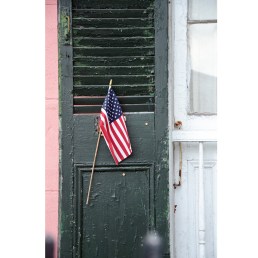
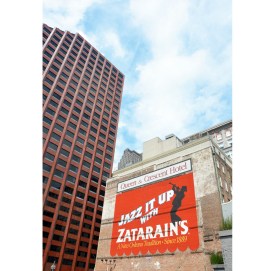 ”Perché della cucina non ne vogliamo parlare?” Disse con aria severa mentre staccava i jack dell’amplificatore dal suo basso. “E’ una forma d’arte anche quella. Cioè scegli gli ingredienti, che sono le note e ci componi un brano bilanciato ed armonico. Poi pensa che a disposizione non hai solo sette note…” Lo ascoltavo mentre passavo lo straccio sul sassofono. “Ti dirò di più… In certe jam session facciamo friggere gli strumenti come delle padelle incandescenti” Continuò senza alzare lo sguardo concentrato com’era a riporre il basso nella custodia “Cioè a me piace la varietà delle cose. L’alternarsi del gusto, dei colori e delle note. Quindi mi spieghi che cazzo ne può capire un razzista della Jambalaya? Cioè mi spieghi come fa un razzista ad ordinare una Jambalaya?”
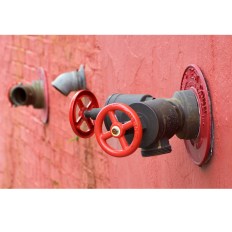 Nel giornaliero slalom di distinzioni c’è spazio anche per il contrasto tra filosofi e pratici, antipodi che battagliano spesso per lo scalpo della ragione. I pratici hanno parecchie componenti per formare il loro nutrito esercito da schierare nella battaglia per aggiudicarsi lo scettro del più indispensabile del pianeta. Sostengono che senza il loro sudore quotidiano il mondo sarebbe una bolla di idee e niente di più. D’altro canto l’esercito delle menti affila le armi nel sostenere che senza concepimento logico nessun oggetto potrebbe prendere vita. In questo tiro alla fune le forze si equilibrano rendendosi indispensabili l’un l’altra.
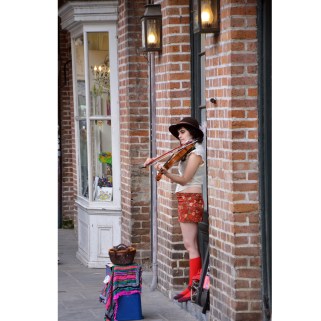 La cosa bella della musica è che fondamentalmente è anarchica. Tutti, ma proprio tutti, possono ascoltarla e suonare lo strumento che gli pare. Ci sono eccezioni anche in questo caso, vero, ma più che sociali sono fisiche. Il benestante è esclusivista nel acquistare un pianoforte a coda o un’arpa che sono strumenti parecchio costosi, vero, ma esistono alternative anche per chi è impossibilitato a farlo. Basta suonare una tastiera elettronica o un piano a muro, i tasti non cambiano. Il silenzio invece è sempre più difficile da comprare. E’ difficile godere del silenzio in un palazzo condiviso da più famiglie; una villa singola ed isolata è inaccessibile per la maggior parte delle persone. Il meno abbiente fatica a trovare silenzio anche durante gli spostamenti, costretto ad usare rumorosi mezzi pubblici. Il ricco può scegliere e spesso preferisce muoversi autonomamente su auto sempre più insonorizzate. Ecco nella musica non c’è questa disparità. Una ragazza può scegliere di suonare il suo violino per strada o in un’orchestra. Ricca o povera essa sia, poco conta.

”Ehi uomo fammi il favore, sali dietro e reggi la scala. Non vorrei la perdessimo durante il tragitto” “Ok uomo ma sei sicuro d’averla assicurata bene? Non vorrei cadesse la scala con me sopra” “Santo dio… Certo che l’ho legata bene.” “Senti uomo, ma se sei così sicuro d’averla fissata come dio vuole mi spieghi che senso ha che io mi ci sieda sopra?” “Dannazione uomo è solo una forma di sicurezza in più. Serve a farmi stare più tranquillo.” “Ehi uomo fa stare più tranquillo te ma non me. Devo proprio salirci?” “Ehi uomo sali su quella cazzo di scala” “Ok uomo, se lo dici tu ci salgo. Ok”
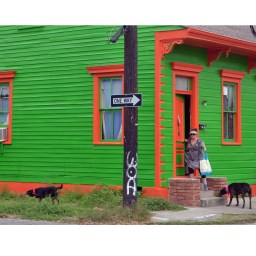
Una casa non è una questione di mattoni, ma di amore. Anche uno scantinato può essere meraviglioso.
(Christian Bobin)
#saverodinipark The crowdfunding
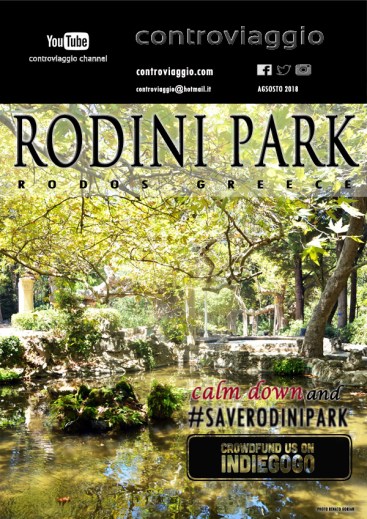
click here and go to our indiegogo page
 In modern civilization, parks are recreational areas, as natural shelters of people living in an urban environment. But this was not always their only use, as the park’s function has changed, depending on the cultures.
Rhodes, as one of the first cities to be inaugurated and planned with an organized urban planning system, has been displaying a park of more than two thousand years of continuous use and life. The fate of Rodini Park is connected with the extremely rich multicultural activity of the city of Rhodes, receives influences and features of all the cultures that shaped the image of the capital of the island.
 click here and go to our indiegogo page
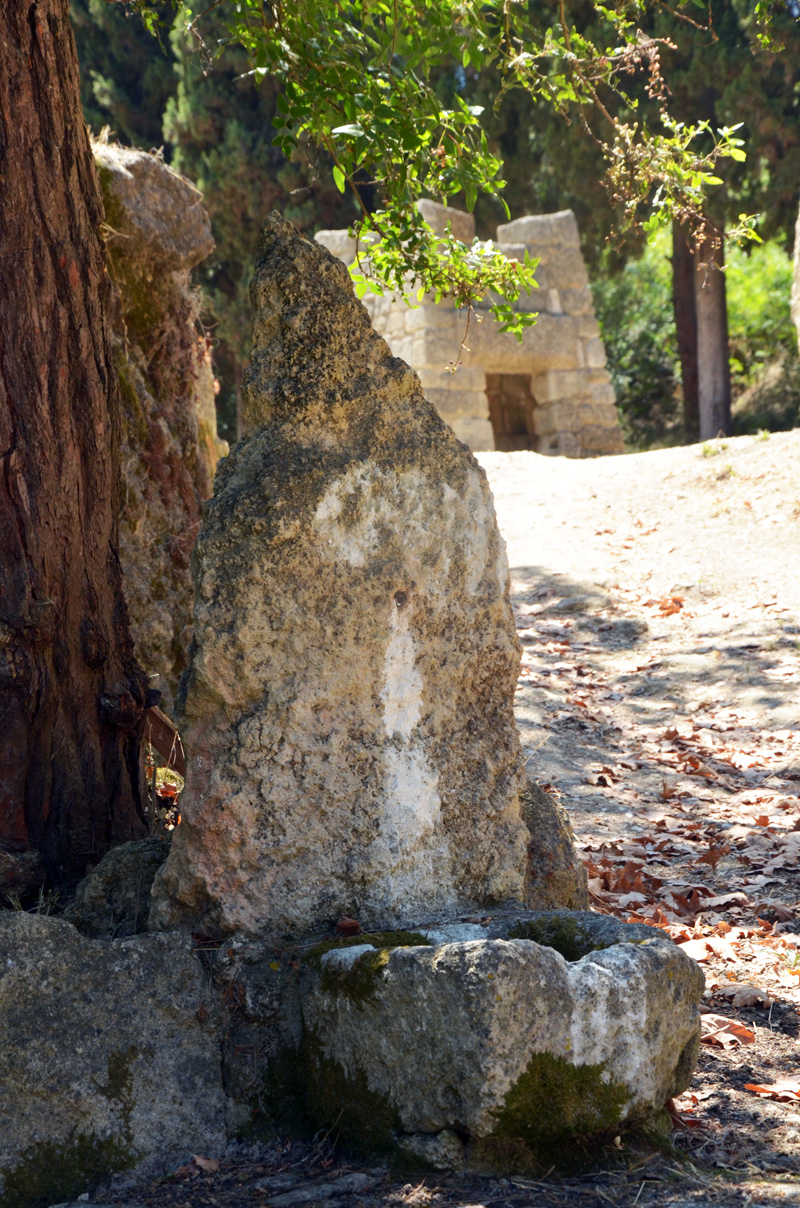 Starting from the founding of the city in 408BC … The green area of the Rodini stream is included in the city plan and constitutes the natural boundary of Rhodes, combined with man-made boundaries: the walls and the necropolis. For the ancient Greek pagans, “animists” Natural wealth has a divine status and therefore does not accept human interference or exploitation. The holy groves reflect this belief. In all sanctuaries nature plays a primary role, while architectural interventions serve practical purposes and are optional elements. The religious significance of Rodini, as a space of spirituality, is confirmed by the formation of the nympheas from the Hellenistic period at least, dedicated to the protectors of Nature and its elements: Naiades, Yades, Amadryades, Oreades, Nereids and other. In the upper part of the park, the dialogue with the other world is oriented towards the ancestors, with a multitude of monumental tombs, among them so-called Ptolemaion (conventional name). With the nympheas and the funerary monuments, the artistic production in the park, wich will be a model, begins with the name “Rhodian Park” for the parks where natural beauty is complemented by human expression through art.
 Because the contact with the nature favors spirituality, the great masters of the era begin to avoid the bustling arcades and markets of the centers, preferring to browse, undisturbed near the divine creation, the natural environment: it is the birth of the peripatetic schools. A peripatetic school establishes in Rhodes a student of Aristotle: Eudimos. It is also said that among the first to teach in Rodini is the orator Eshchinis (end of 4th BC) who came to Rhodes is a cosmopolitan capital that attracts representatives of philosophy, arts and sciences from the four corners of the Greek-Roman world. The great painter Protogenis (the only competitor worthy of Apelles), the astronomer Hipparchus (calculated solar year and distance Earth-Moon), the writer of the “Argonauts” Apollonius the Rhodian (born in Egypt) are few of the many of prominent ones that will make of Rhodes a center of culture and education. Among other students, Cicero, Julius Caesar, Cassius and Markus Antonius will come and take pride in passing the Rhodes faculties that provide the skills and prestige necessary for their political career. Favorable living conditions, the political neutrality of the island, which left great freedom of expression and high fees, attracted all those who formed the reputation of the island as a center of art and spirit at that time. During the Roman era, the combination of religious and spiritual use will be completed, which will continue until the Christian years, when it will become a monastic property. In the year of the Knight’s rule, Rodini gains new glory as the existence of the Grand Master’s villa is mentioned, while the exotism of the park with wild animals and birds impresses all visitors. During the medieval years, the first park of Europe on the nobles’ land are created for their hunts.
  The admirable animals and birds living in the park are sign of prestige for power, something that has continued to our day. The Ottomans, apparently influenced by Arabic sensitivity and aesthetics for the gardens that offer shelter of coolness and tranquility, respect and preserve the park. Some small interventions in the walls and the maintenance of the aqueduct confirm it. The archways of the base with Gothic arches replace a pre-existing Roman aqueduct and support Ottoman additions repaired by the Italians. The Italians, in the context of the program for the exploitation of the natural wealth of the whole island, will intervene decisively, shaping to a large extent the present image of the park.
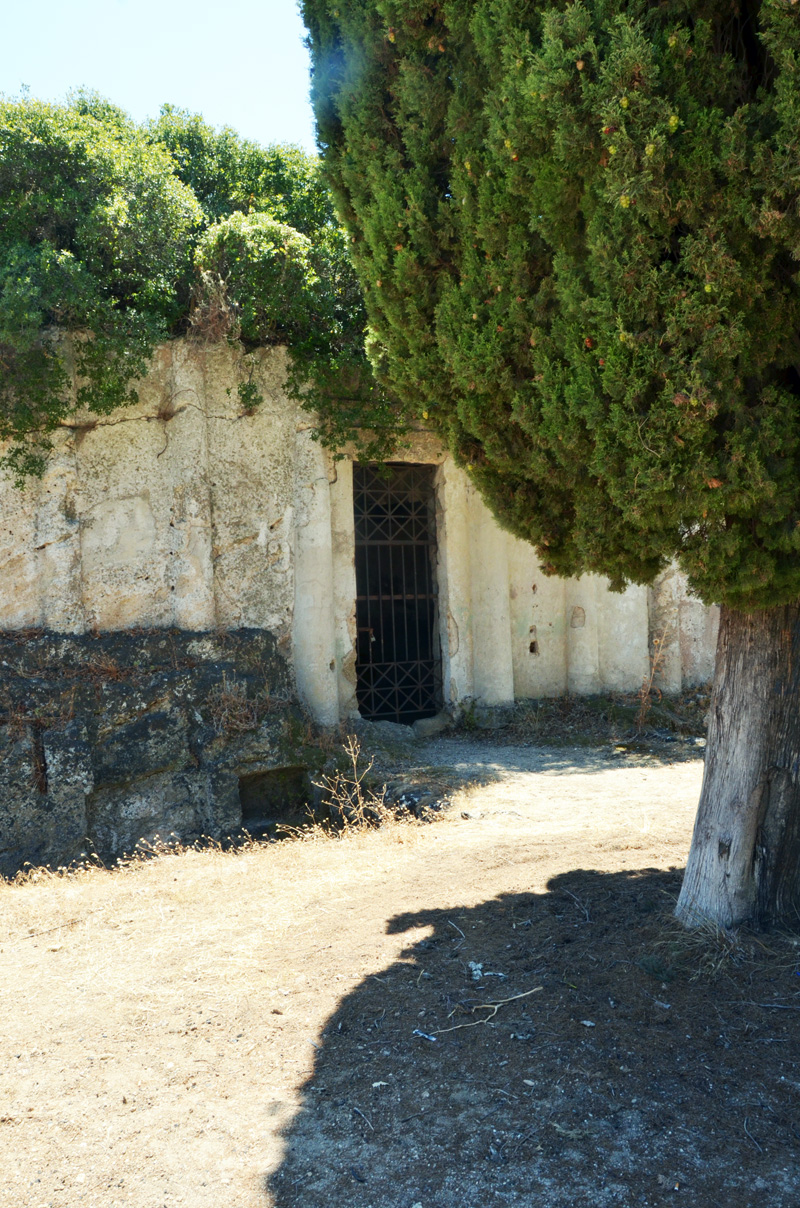 This continuous use of Rodini reflects the collective mentality of every culture that will shape it. Here is the special value of this park that keeps alive the memory of a time when the natural environment is not just a place o recreation but also a spiritual culture and meditation. Dialogue between people, gods and ancestors trough ART that becomes a mean of communication between dimensions in space (material-spiritual) and time. The monuments (memories) of people (toms, nymphs) as landmarks, testify the places and the walks in combination with the vital elements of nature (earth relief, water, vegetation) without which there would be nothing.
Collective responsibility of our own time to decide what will ultimately be our contribution to this millionaire park…
Adrien Bordrez (Tourist guide)
Faithful copy of the flyer currently distributed at the park
Ferie e Maratona a Rodi in aprile
 Finalmente siamo entrati e viviamo l’epoca della green culture che andrà a sostituire quella del petrolio e cemento che, come colpo di coda prima di congedarsi definitivamente di scena, presenta un conto salato a partire dalle fastidiose nuove allergie sempre più diffuse, al cancro; che di certo non ha bisogno di ulteriori chiarimenti e che sempre più spesso colpisce le nostre famiglie.
Questa premessa impegnativa ci permette di guardare l’evento cui leggerete in seguito con uno slancio più positivo e come ulteriore passo verso un mondo più verde e sostenibile.
Parliamo infatti della possibilità di svolgere la propria passione, la corsa, che ultimamente conta sempre più seguaci, in un luogo dove il sole ed il mare assicurano la buona riuscita anche delle proprie ferie: a Rodi in Grecia.
 La moda della Green Economy avanza a passi di gigante riempiendo le tasche delle aziende che convergono in quella direzione proponendo i loro prodotti ecosostenibili, alimentando di conseguenza la giostra del marketing che spinge sempre più la linea verde, convincendo anche sempre più persone ad uscire di casa e fare attività all’aria aperta supportati da tecnologie portatili ed abbigliamento performante. Questa volta l’odore dei soldi non porta malessere e cadaveri ma fortunatamente qualcosa di più utile e costruttivo dimostrando che le buone idee solari e divertenti sono anche più fruttuose e redditizie del grigio e tenebroso malaffare. (Il fatto poi che ancora oggi alcune grandi aziende per farci indossare le nostre belle scarpine colorate o magliettine dryfit sfruttino il lavoro minorile e sottopagato è un altro discorso).
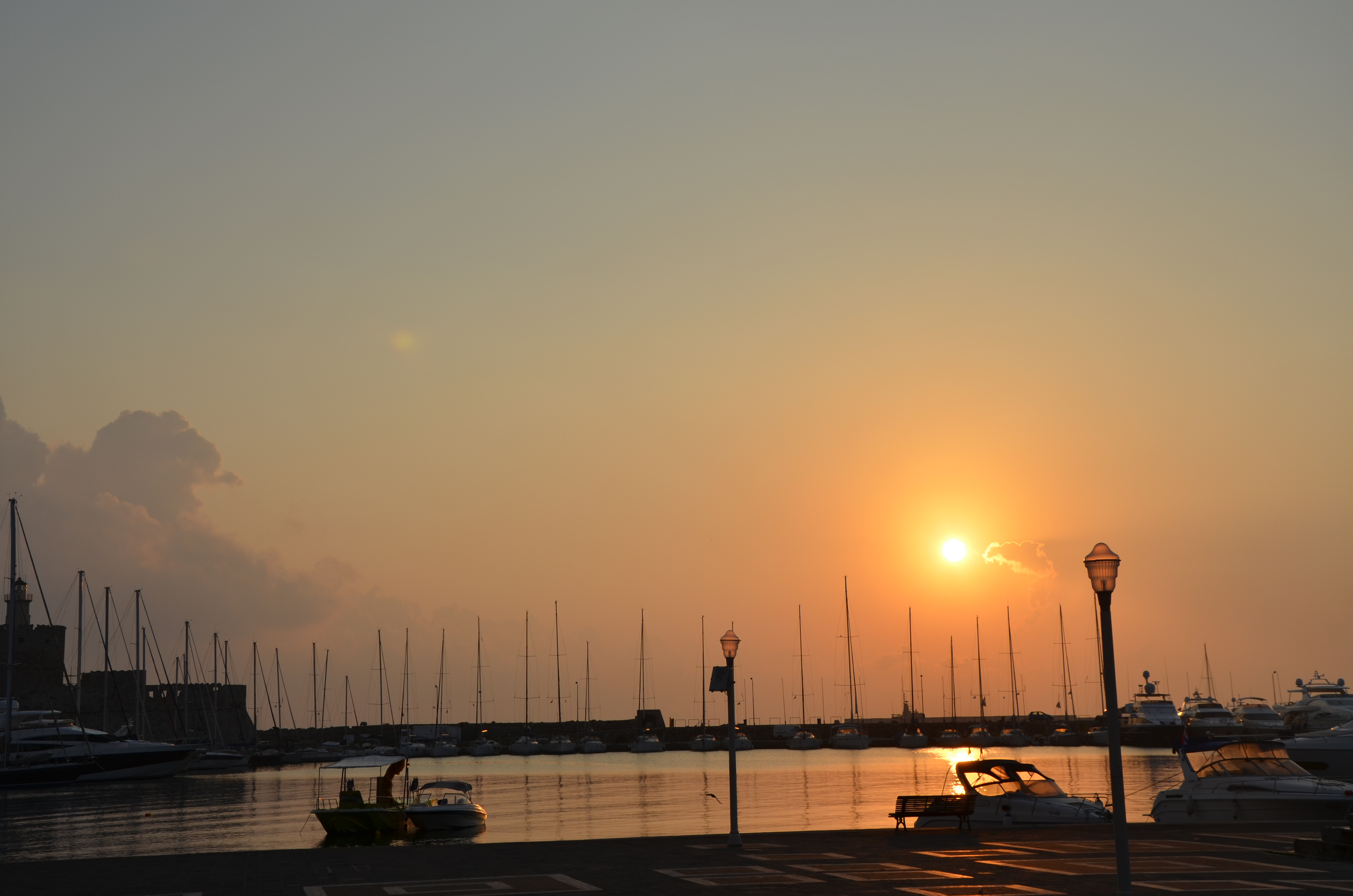 Tornando a noi, l’idea sottoposta è alquanto semplice: perché non unire la propria passione ad una settimana di ferie? Tutto questo si può fare proprio in Grecia, nella bellissima isola di Rodi che il 26 aprile propone la seconda edizione della Maratona classica RoadstoRhodes che è completata dalla 10 km e 5 km (quest’ultima ha sostituito la maratonina).
Il giorno d’arrivo in Grecia, stando ai voli disponibili, è il martedì 21 aprile, l’alloggio il Rodos Palace, struttura 5 stelle situata esattamente sul bellissimo percorso di gara e lungomare dove sarà quindi possibile svolgere i propri allenamenti in attesa di partecipare alla manifestazione vera e propria che si svolge la domenica 26 aprile. Il rientro in Italia è previsto il martedì 28 che permette quindi anche un adeguato defaticamento.
 Ma perché proprio la Maratona di Rodi quando ce ne sono centinaia d’altre? L’affluenza è ancora sostenibile quindi i professionisti vedrebbero aumentare a dismisura le probabilità di salire sul podio e tornare a casa con qualche trofeo da sistemare sopra il caminetto, così come per i semi professionisti o corridori amatoriali che potrebbero ambire a posizioni finali più stimolanti rispetto al 679mo posto di una Stramilano, ad esempio. (che si corre il 29 marzo 2015)
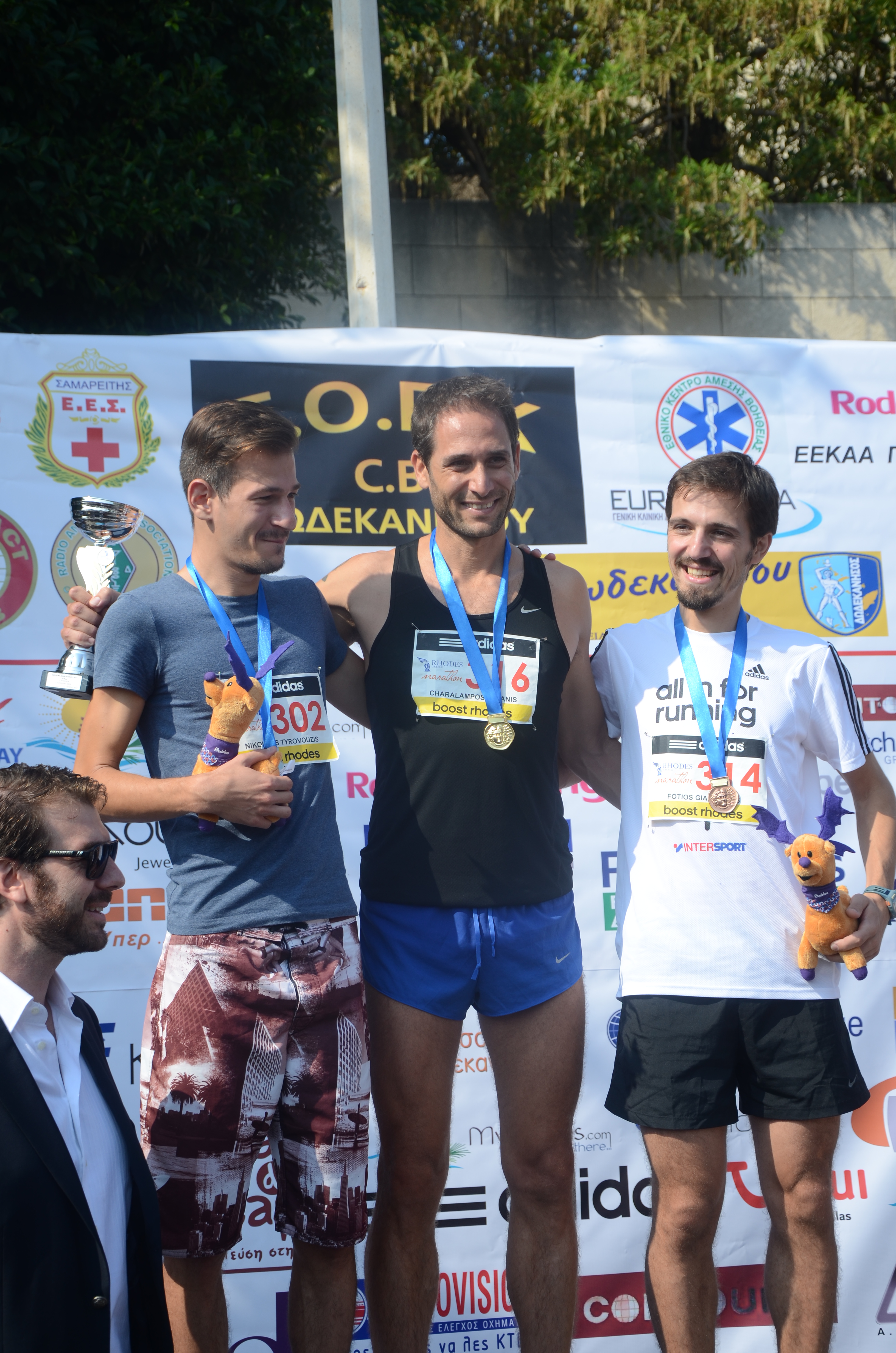
Podio 10km ed.2014
Alloggiare difronte al percorso e poter visitare l’isola o semplicemente limitarsi a prendere il sole e fare il bagno tra un allenamento e l’altro sono altri motivi validi.
Nel ricordare a tutti che Controviaggio è un semplice blog senza scopo di lucro e non una agenzia di viaggio, né un tour operator e non un’associazione sportiva e che niente ha a che fare con l’organizzazione della Maratona, l’aiuto che potrete ricevere è di tipo informativo per poter organizzare la vostra settimana ed un amichevole sostegno in loco dove possiamo concordare con l’hotel un menù dedicato agli atleti ed eventuali prezzi scontati per chi usufruirà del centro massaggi.
Coltivare la propria passione durante le ferie assieme alla propria famiglia o assieme all’associazione sportiva di cui si fa parte è sicuramente qualcosa di unico e piacevole. Perché allora non farlo a Rodi?
http://www.roadstorhodes.com/ https://it.mynextrun.com/run/search?q=Rhodes


 controviaggio.com